10 Appliances That Waste Electricity Without You Knowing (And How to Lower Your Electric Bill)
If your utility bill seems to get higher every month even though your daily routine hasn’t changed, hidden energy waste may be the reason. Many homeowners assume their heating and cooling systems are solely responsible for expensive electric bills, but everyday appliances can quietly consume far more electricity than expected. Aging components, poor maintenance, and inefficient habits all add up over time.
The good news is that lowering your electricity usage doesn’t always require replacing expensive appliances. In many cases, a few simple adjustments can improve efficiency immediately while helping your appliances last longer.
Below are ten household appliances that commonly waste electricity—and what you can do about them.
1. Refrigerator
A refrigerator never gets a day off. Because it operates around the clock, even small efficiency problems can noticeably increase your monthly electric bill.
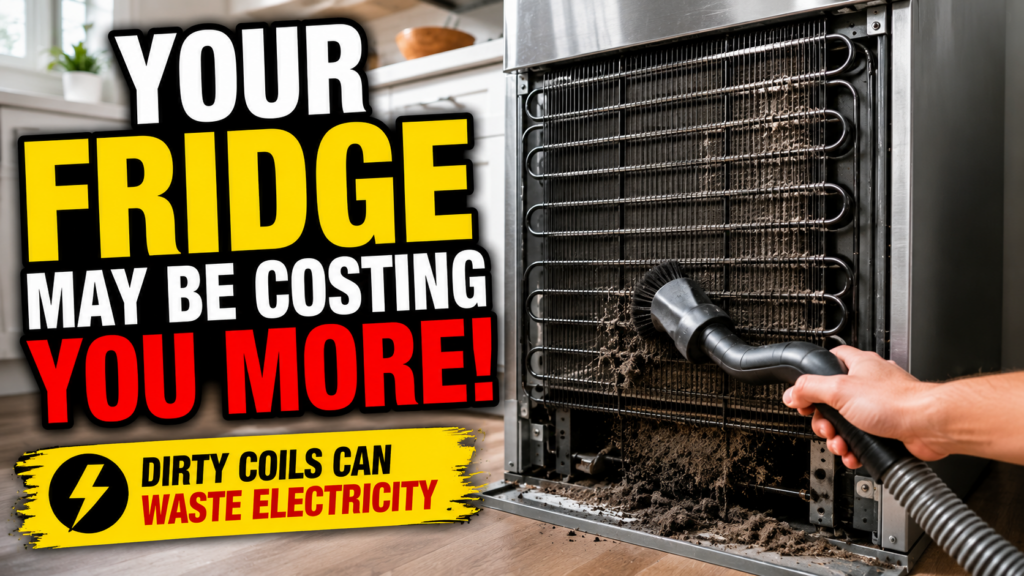
One of the biggest hidden energy wasters is dirty condenser coils. Dust prevents heat from escaping efficiently, forcing the compressor to work harder and longer. Worn door seals also allow cold air to leak out, making the refrigerator cycle more often.
For most homes, keeping the refrigerator between 37°F and 40°F and the freezer at 0°F provides ideal food storage without wasting electricity.
Quick ways to reduce energy use
- Vacuum condenser coils every six months.
- Test the door gasket with a dollar bill.
- Keep air vents inside the refrigerator clear.
- Avoid placing hot leftovers directly inside.
Most homeowners can complete this maintenance in under 30 minutes using only a vacuum and a soft brush.
2. Clothes Dryer
Dryers are among the highest-energy appliances in the laundry room, but the machine itself usually isn’t the problem.
A clogged lint filter or partially blocked vent restricts airflow, causing drying cycles to take much longer than necessary.
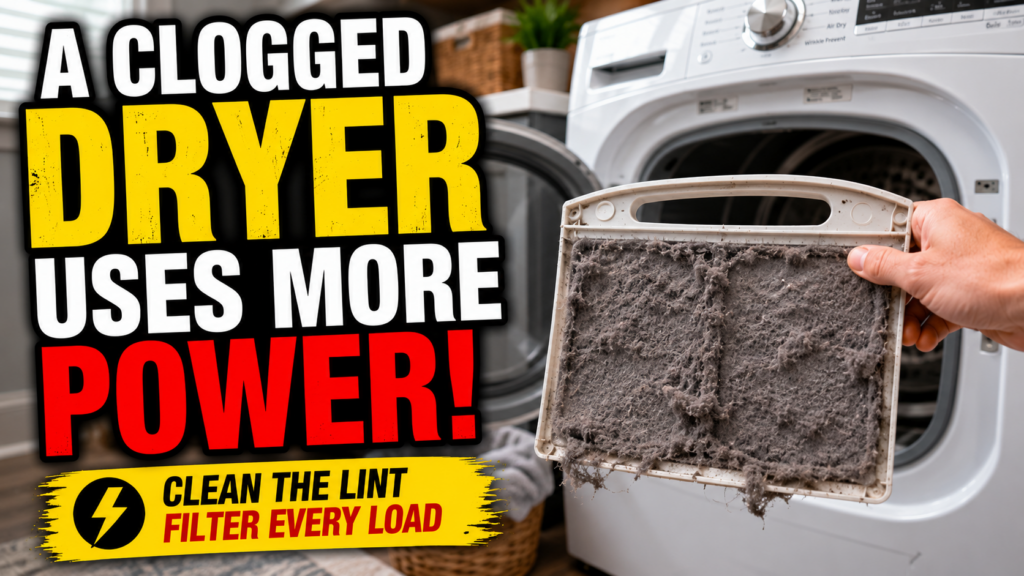
Longer drying times don’t just waste electricity—they also increase wear on clothing and shorten the dryer’s lifespan.
Reduce drying costs by
- Cleaning the lint screen after every load.
- Inspecting the exhaust vent every few months.
- Using moisture sensor cycles instead of timed drying.
- Spinning clothes thoroughly in the washer first.
If clothes consistently require two cycles to dry, checking the vent should be your first step.
3. Dishwasher
Modern dishwashers use surprisingly little water, but certain settings can significantly increase electricity consumption.
The heated dry option is convenient, yet it often accounts for much of the appliance’s energy use.
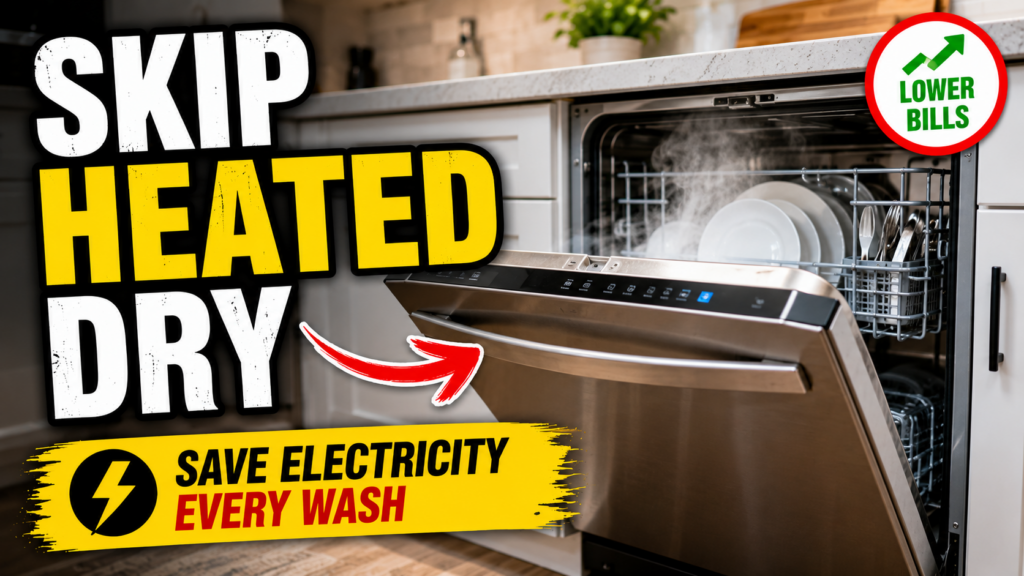
Instead of heated drying, crack the door open once the wash cycle finishes. Residual heat usually dries dishes naturally while using almost no additional electricity.
Running the dishwasher only when it’s nearly full also maximizes efficiency.
4. Electric Water Heater
Many homeowners forget about their water heater because it’s hidden in a basement, garage, or utility closet. Unfortunately, it’s also one of the largest contributors to household electricity usage.
A thermostat set above 120°F continuously reheats stored water throughout the day.
Lowering the setting to 120°F is sufficient for most families and may reduce energy consumption without sacrificing comfort.
Insulating older tanks and exposed hot-water pipes can further reduce standby heat loss.
5. Chest Freezer
A second freezer provides extra storage but can quietly add hundreds of dollars to annual utility costs if neglected.
Frost buildup thicker than about one-quarter inch forces the compressor to run longer. Units located in hot garages also struggle during summer months because they operate in much warmer conditions than intended.
Manual defrosting when necessary and keeping adequate airflow around the freezer can noticeably improve efficiency.
6. Window Air Conditioner
Window AC units become less efficient as filters collect dust.
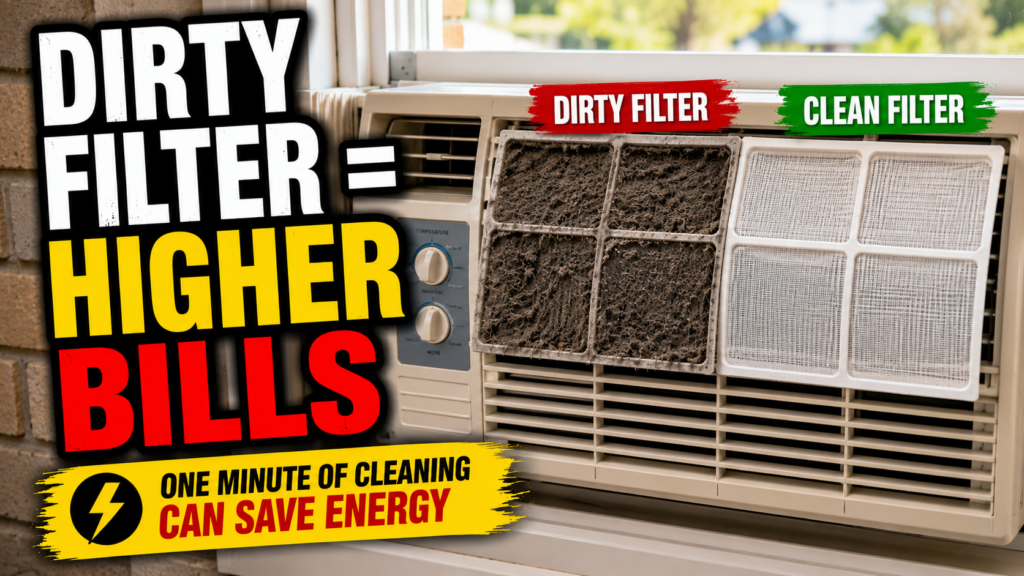
Restricted airflow makes the compressor run almost continuously while delivering less cooling.
Cleaning or replacing the filter every month during peak summer use is one of the easiest ways to reduce electricity consumption.
Sealing small gaps around the unit also prevents cool air from escaping outdoors.
7. Electric Oven
Opening the oven door repeatedly while cooking causes temperatures to drop quickly.
Every time the door opens, the heating elements must work harder to restore the desired temperature.
Using the oven light and window instead of opening the door helps conserve electricity while producing more consistent cooking results.
Cooking multiple dishes at once also makes better use of the heat already being generated.
8. Microwave
Microwaves are generally efficient, but using them incorrectly can still waste electricity.
Heating small portions in a full-size conventional oven consumes much more energy than using the microwave.
Choosing the right appliance for smaller meals can noticeably reduce cooking-related electricity use throughout the year.
9. Portable Space Heater
Portable electric heaters convert nearly all electricity into heat, but they consume a significant amount of power while operating.
Running one continuously in a large room often costs more than homeowners expect.
Using a programmable thermostat, closing doors, and heating only occupied spaces helps reduce unnecessary energy use while maintaining comfort.
10. Television and Entertainment Equipment
Modern televisions are efficient, but connected devices often continue drawing standby power long after you’ve finished watching.
Streaming boxes, gaming consoles, soundbars, and cable receivers may all consume electricity 24 hours a day.
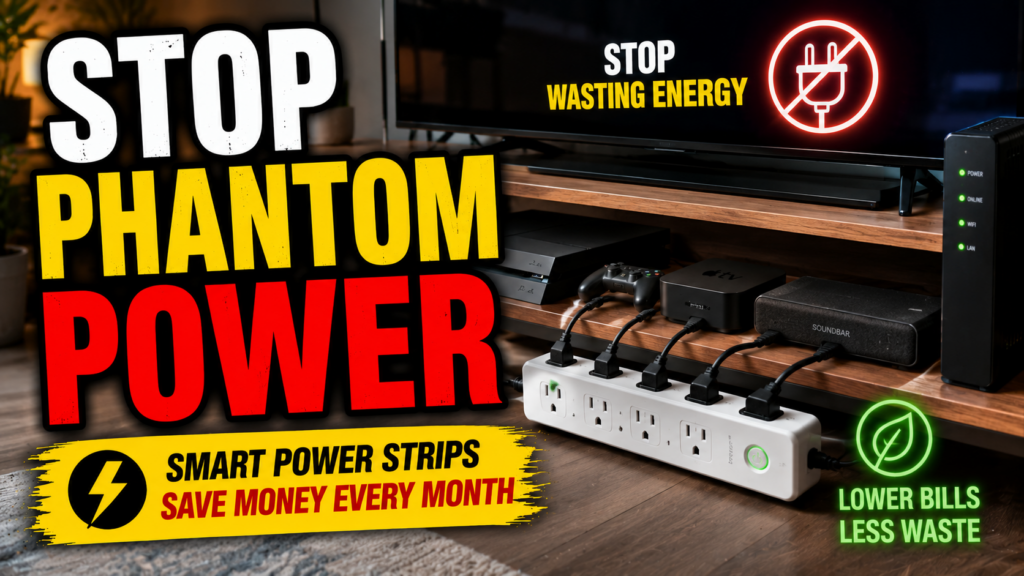
Connecting entertainment equipment to a smart power strip allows idle devices to shut off automatically, reducing phantom energy use without affecting convenience.
Which Appliance Usually Wastes the Most Electricity?
For most American households, the biggest electricity users are:
- Electric water heater
- HVAC system
- Clothes dryer
- Refrigerator
- Freezer
Smaller appliances rarely cause dramatic increases individually, but together they can significantly raise annual electricity costs.
Easy Habits That Save Energy Every Month
- Clean appliance filters regularly.
- Keep refrigerator coils dust-free.
- Use Eco modes whenever available.
- Avoid standby power with smart power strips.
- Repair damaged door seals promptly.
- Run full dishwasher and laundry loads.
- Keep appliance vents unobstructed.
- Replace aging appliances with ENERGY STAR® models when replacement becomes necessary.
FAQ
Which appliance uses the most electricity in a typical home?
Electric water heaters, HVAC systems, refrigerators, and clothes dryers usually account for the largest share of household electricity use.
Does unplugging appliances actually save money?
Devices that remain in standby mode continue using small amounts of electricity. Individually the savings are modest, but unplugging multiple devices or using smart power strips can reduce annual energy costs.
Are older appliances always less efficient?
Not always, but appliances over 10 to 15 years old are often significantly less efficient than newer ENERGY STAR models.
Is it worth replacing an older appliance just to save electricity?
If an appliance requires frequent repairs and uses substantially more energy than modern models, replacement may be more cost-effective over the long term. Compare purchase price, repair costs, and expected annual energy savings before deciding.
Energy-Saving Checklist
- Clean refrigerator coils twice each year.
- Replace or wash appliance filters regularly.
- Keep dryer vents free of lint.
- Use natural air drying whenever possible.
- Set the water heater to approximately 120°F.
- Avoid overcooling refrigerators and freezers.
- Run full loads in washers and dishwashers.
- Use smart power strips for entertainment systems.
- Check door seals for air leaks.
- Schedule routine maintenance for older appliances.
Related Reading:
• Not Every Clicking Sound Means Something Is Broken
• Should You Repair or Replace Your Appliance? A Homeowner’s Decision Guide
• Do Smart Appliances Actually Save Money? The Truth Most Homeowners Don’t Hear
• Why Do New Appliances Connect to Wi-Fi? Do You Really Need It?
• Energy-Efficient Appliances vs Standard Appliances: Are Premium Models Worth It?