The #1 Mistake That Shortens Appliance Lifespan (And How to Avoid It)
Most appliances don’t fail because they’re old—they fail because they’re neglected. The single biggest mistake homeowners make is skipping routine maintenance. Dust buildup, clogged filters, restricted airflow, and ignored warning signs gradually force appliances to work harder than they were designed to.
The good news is that preventing premature appliance failure doesn’t require expensive tools or professional service. A few simple maintenance habits performed throughout the year can add years to the life of your refrigerator, washer, dryer, dishwasher, and other household appliances.
The Biggest Mistake: Waiting Until Something Breaks
Many homeowners assume maintenance can wait until an appliance starts making strange noises or stops working.
Unfortunately, damage often begins months before obvious symptoms appear.
A dirty condenser coil, clogged dryer vent, or leaking washer hose may seem minor at first, but each problem increases wear on motors, compressors, heating elements, and pumps.
Preventive maintenance almost always costs less than emergency repairs.
Why Small Problems Become Expensive Repairs
Appliances are designed to operate efficiently under normal conditions.
When airflow is blocked or moving parts become dirty, components must work longer and harder.
For example:
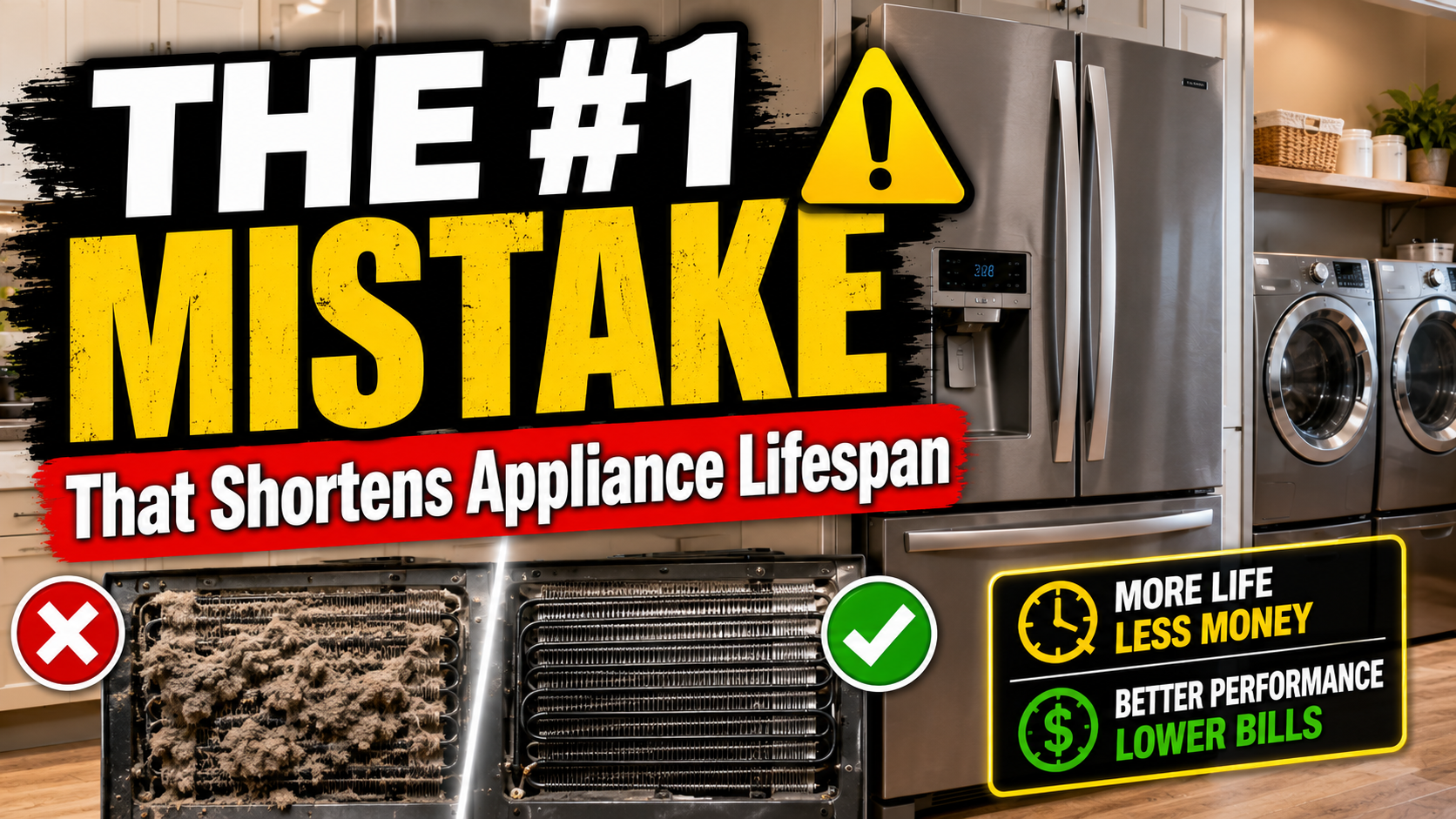
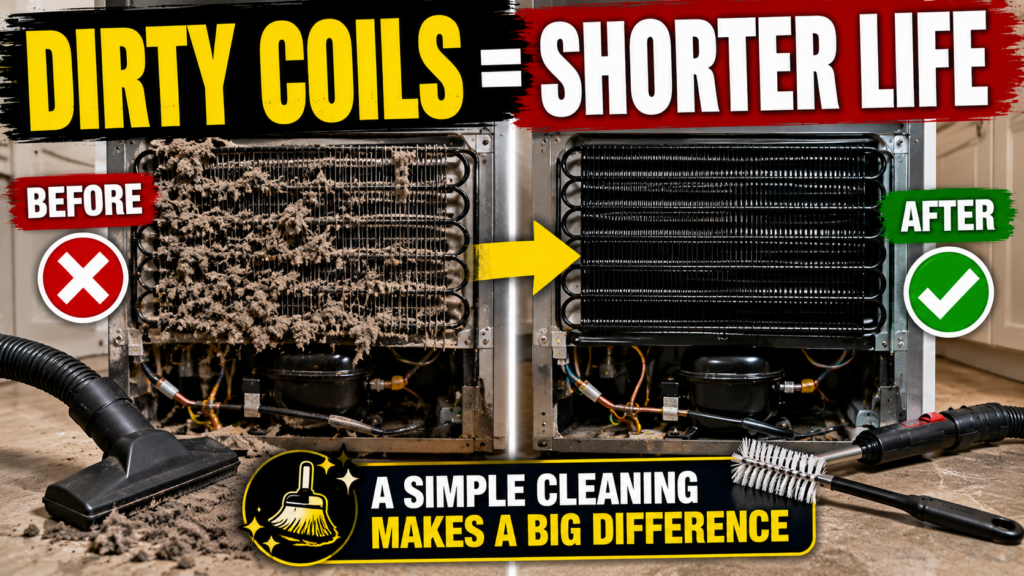
- A refrigerator with dusty condenser coils runs longer to maintain temperature.
- A clogged dryer vent traps heat and increases drying times.
- A dishwasher filter packed with food debris reduces cleaning performance.
- A washing machine with detergent buildup develops odors and unnecessary strain.
Ignoring these issues doesn’t usually cause immediate failure—but it slowly shortens the appliance’s lifespan.
Signs You’re Waiting Too Long
Many appliances give early warning signs before major failures occur.
Watch for:
- Longer operating cycles
- Higher utility bills
- Unusual noises
- Water leaks
- Burning smells
- Reduced cleaning or drying performance
Addressing these symptoms early often prevents much larger repairs later.
Maintenance Doesn’t Take Much Time
Routine maintenance sounds overwhelming, but most tasks take less than 15 minutes.
Simple examples include:
- Vacuum refrigerator condenser coils twice a year.
- Clean the dishwasher filter every month.
- Wash the dryer lint screen regularly.
- Wipe the front-load washer door gasket after use.
- Replace refrigerator water filters on schedule.
These small habits can improve efficiency while reducing long-term wear.

The Cost of Ignoring Maintenance
Skipping maintenance often becomes expensive.
Typical repair costs in the U.S. include:
| Problem | Typical Cost |
|---|---|
| Refrigerator fan motor | $150–$350 |
| Dryer heating element | $200–$400 |
| Washer pump replacement | $200–$450 |
| Dishwasher circulation pump | $250–$500 |
Prices vary depending on your location and appliance model.
By comparison, most preventive maintenance costs little or nothing.
Real-World Examples
A homeowner in North Carolina noticed their refrigerator running almost continuously but ignored it for months. During a routine service visit, the technician found condenser coils completely covered in dust. After cleaning the coils, cooling performance improved and the compressor no longer ran constantly.
In another home, a family continued using a dryer that required two drying cycles for every load. The cause wasn’t a failed heating element—it was a heavily clogged dryer vent. A professional vent cleaning restored normal drying times and improved efficiency.
When DIY Is Enough
Many maintenance tasks require only basic household tools.
DIY tasks include:
- Cleaning condenser coils
- Replacing refrigerator water filters
- Cleaning dishwasher filters
- Vacuuming dryer vents (accessible sections)
- Inspecting washer hoses
Always unplug appliances before cleaning internal components whenever recommended by the manufacturer.
When You Should Call a Professional
Professional service is usually the better option if you notice:
- Electrical burning smells
- Refrigerant leaks
- Gas appliance issues
- Repeated circuit breaker trips
- Loud grinding or metal scraping noises
- Water leaking from internal components
Ignoring these problems may increase repair costs and create safety concerns.

A Simple Maintenance Schedule
Instead of waiting for problems, build a yearly routine.
Every Month
- Clean dishwasher filter.
- Empty dryer lint filter after every load.
- Wipe washer door seals.
Every Six Months
- Vacuum refrigerator condenser coils.
- Inspect water supply hoses.
- Clean behind major appliances.
Every Year
- Clean the dryer vent.
- Replace refrigerator water filters if needed.
- Check appliance leveling and loose connections.
Following a schedule helps prevent many common failures before they begin.
Repair or Replace?
If an appliance has received regular maintenance, repairs are often worthwhile because the remaining components are usually still in good condition.
However, an older appliance that has been neglected for years may require multiple expensive repairs within a short period.
As a general guideline, many homeowners begin comparing replacement options when repair costs approach about half the price of a similar new appliance.
FAQ
What is the biggest mistake that shortens appliance lifespan?
Ignoring routine maintenance is one of the most common reasons appliances wear out earlier than expected.
How often should appliances be cleaned?
Most filters and easily accessible components should be inspected monthly, while condenser coils and dryer vents typically require cleaning every six to twelve months.
Can maintenance really extend appliance life?
Yes. Regular cleaning improves airflow, reduces strain on motors, and helps appliances operate more efficiently.
Is professional maintenance necessary every year?
Not always. Many maintenance tasks are easy to perform yourself, but professional inspections are worthwhile if you notice unusual noises, leaks, or declining performance.
Quick Checklist
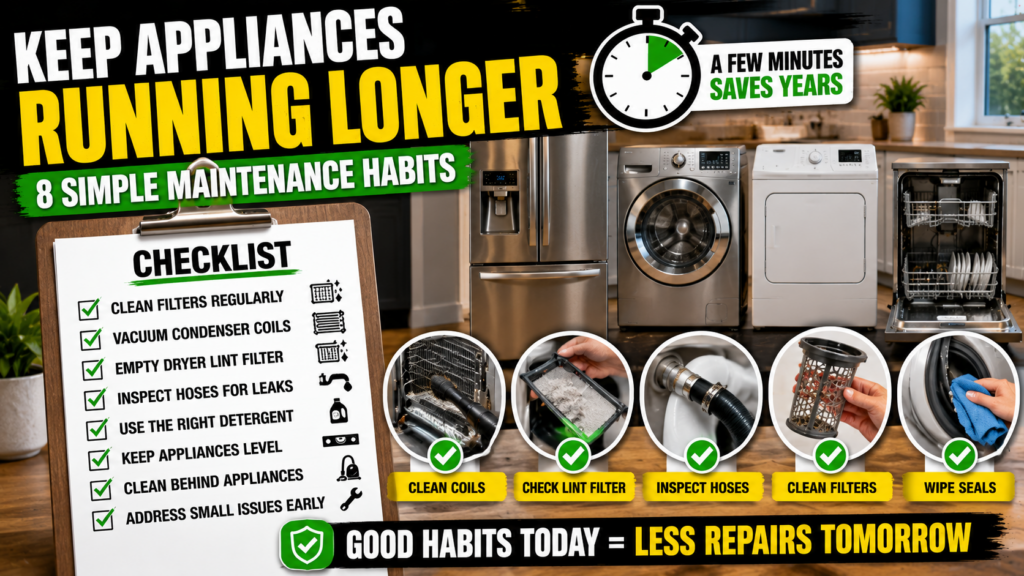
- Don’t wait for appliances to break.
- Clean filters regularly.
- Vacuum refrigerator condenser coils.
- Inspect water hoses twice a year.
- Remove dryer lint after every load.
- Fix small problems before they become expensive repairs.
- Schedule annual dryer vent cleaning.
- Pay attention to unusual sounds or smells.
Final Thoughts
The biggest mistake homeowners make isn’t choosing the wrong appliance—it’s assuming maintenance can wait. Small maintenance tasks performed consistently are far less expensive than replacing major components after years of neglect.
A few minutes of routine care each month can help your appliances operate more efficiently, reduce energy use, and provide reliable performance for many years.
Related Reading:
• Should You Turn Off Appliances Before Vacation? What to Unplug and What to Leave On
• The Most Common Appliance Myths Homeowners Still Believe (And the Truth Behind Them)
• 10 Appliance Sounds You Should Never Ignore (And What They Usually Mean)
• Preparing Your Home Appliances Before Moving: A Complete Checklist to Prevent Damage
• 10 Appliances That Waste Electricity Without You Knowing (And How to Lower Your Power Bill)